


Guide to Driving in Morocco

Morocco is a country of diverse landscapes and cities, and renting a car in Morocco gives you the ultimate freedom while traveling. With your own car, you can pull over and take photos of goats in argan trees, take a spontaneous detour to a hidden kasbah, or pull over and watch the sunset over the desert without a tour guide rushing you along. Driving here is an adventure in itself, and with a bit of preparation, it can be the key to unlocking an unforgettable Moroccan adventure.

Why Rent a Car in Morocco?
Public transportation can be limiting, and while organized tours are convenient, they operate on a fixed schedule and can often be more people than you want to travel with. We opted for getting a rental car to do all of our day trips from Marrakesh, like Essaouria and the Ouzoud waterfalls.
Having your own car allows for flexibility, letting you craft your own itinerary. You can stay longer in a Berber village that captivates you or make an impromptu decision to chase the coastline. It also turns travel time into part of the adventure, giving you a front-row seat to the country's stunning landscapes.
Trusted Rental Companies
Choosing the right rental company is the first step to a smooth experience. You’ll find a mix of major international brands and reliable local operators, especially at major airports like Casablanca (CMN) and Marrakesh (RAK).
International Brands: Companies like Hertz, Avis, Europcar, and Sixt are widely available. The main advantage here is familiarity. Their booking processes are standardized, their staff often speak English, and their vehicles are generally new and well-maintained. You might pay a slight premium, but it often comes with peace of mind.
Local Companies: Reputable local agencies can offer more competitive pricing. Look for companies with strong online reviews. They can provide excellent service and valuable local insights. It's wise to communicate clearly via email beforehand to confirm all details, including insurance coverage and pickup procedures.
We rented through Hertz and the process was as seamless as it is in the US. Regardless of who you choose, book your car well in advance, especially during peak travel seasons, to secure the best vehicle and price.
What You Need to Rent a Car
The process of renting a car in Morocco is quite straightforward. To ensure a hassle-free pickup, make sure you have the following documents ready:
Valid Driver’s License: Your standard driver's license from your home country is usually sufficient, provided it uses the Latin alphabet and has been held for at least one or two years.
International Driving Permit (IDP): While not always mandatory, having an IDP is highly recommended. It’s an official translation of your license into multiple languages and can be very helpful during police checks, especially in rural areas. It’s inexpensive and easy to obtain in your home country before you travel. If you're in the United States, AAA offers this service and it's super quick.
Credit Card: You will need a valid credit card in the driver's name to cover the security deposit. Debit cards are generally not accepted for the deposit.
Passport: You'll need to present your passport as proof of identity.
Minimum Age: Most rental companies require drivers to be at least 21 or 23 years old. Drivers under 25 may be subject to a "young driver" surcharge.
Tips for Driving in Morocco
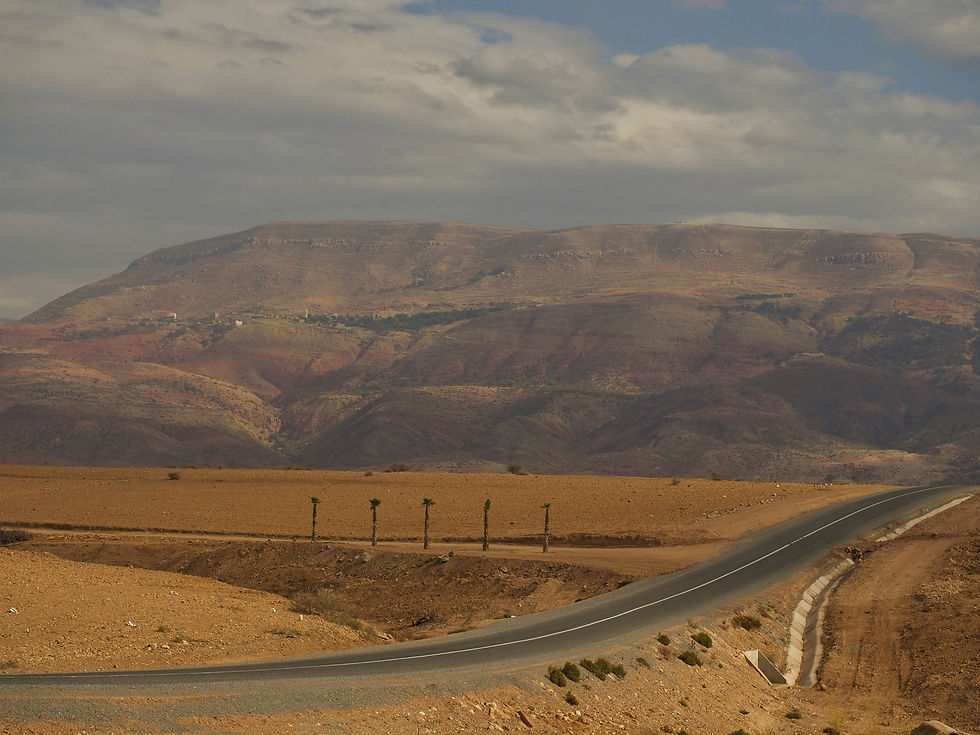
Driving in Morocco is honestly quite like most other countries I've driven in. City traffic can be chaotic, while rural roads offer their own set of challenges. Here are some practical tips to help you navigate the roads.
Understand the Roads: Morocco has a surprisingly good network of highways (autoroutes), indicated by an "A" prefix. These are toll roads, and they are the fastest way to travel between major cities. National and regional roads are generally well-paved but can be narrow and winding, especially in the mountains.
Navigate Roundabouts: You will encounter countless roundabouts. The rule is simple but often ignored: traffic already in the roundabout has the right of way. Drive defensively and be prepared for other drivers to enter without yielding.
Watch for Police Checkpoints: Police checkpoints are common, particularly when entering or leaving towns. They are usually marked by a "Halte" sign. Slow down, make eye contact, and be prepared to stop if waved over. Have your license, passport, and car rental documents easily accessible.
Beware of Speed Traps: Police frequently use radar guns to enforce speed limits, a lot of the time they are waiting at the entrances to towns. Fines are issued and can be paid on the spot in cash, but make sure they give you a formal colored copy of the receipt as there are some people who might try to scam you. Adhere to the posted speed limits to avoid any issues.
City vs. Rural Driving: Driving in cities like Casablanca or Marrakesh requires aggressive driving, with motorcycles weaving through traffic, and a general disregard for lane markings. In contrast, rural roads are much quieter but present different hazards, such as pedestrians, donkey carts, and herds of goats or sheep on the road. At first we drove to other cities and used uber to get around within cities, but by the end of the week we had gotten used to the driving and parking.
Parking: Parking in Morocco is quite easy, there are obvious signs on the side of the roads that indicate if it is not allowed. We parked our car overnight at a gated and protected lot for a set price (50-100 Dirham/night), and for street parking there are usually attendants that help you park and you just tip them 10-50 Dirham as a tip depending how long you stay.
Safety and Insurance
I always recommend getting the full insurance coverage if you can. I've been in situations before where my car was hit while parked or I accidentally clipped it on a tiny road and I returned it without them batting an eye since I got the full-coverage insurance. It’s an extra expense that is absolutely worth the peace of mind.
If you have a travel credit card like the Chase Sapphire Reserve or American Express Platinum, you can decline all the rental company provided insurance, just make sure you pay for the entire rental on that card. They usually cover $75K+ for collision and theft (not including exotic/antique cars) if your rental is under a month. The only thing is they will try to hold a much larger deposit on the card to cover any initial damage that happens to the car, and your credit card would have to reimburse you.
When you get your rental car, inspect it thoroughly and take photos or a clear video of the car before you leave the lot. Make sure to note any existing scratches, dents, or scuffs on the car. Check the tires, including the spare, and ensure everything is documented on the rental agreement. This prevents you from being held liable for pre-existing damage upon return.
Finally, familiarize yourself with local driving laws. Drive on the right side of the road, and seatbelts are mandatory for all passengers. Using a mobile phone while driving is illegal.


Comments